ChiroHabitats
In order to study the different foraging habitats of bats we have three participation modalities:
SPORADIC ChiroHabitats
For a locality sampling just a single recording night. This is useful to explore undersampled habitats or areas and fill gaps in the distribution maps of the different species and phonic groups.
PERMANENT ChiroHabitats
Monitoring a specific locality by at least sampling one recording night for each season of the year, corresponding to the different phenological periods of bats: hibernation (15th of November to 28th of February), migration (1st of March to 15th of May), breeding (16th of May to the 31st of August) and migration/mating/swarming (1st of September to 14th of November).
Bioacoustics Monitoring Group
If you want to take a step further and delve into the knowledge of bats in an interesting area, check out the Bioacoustics Monitoring Group.
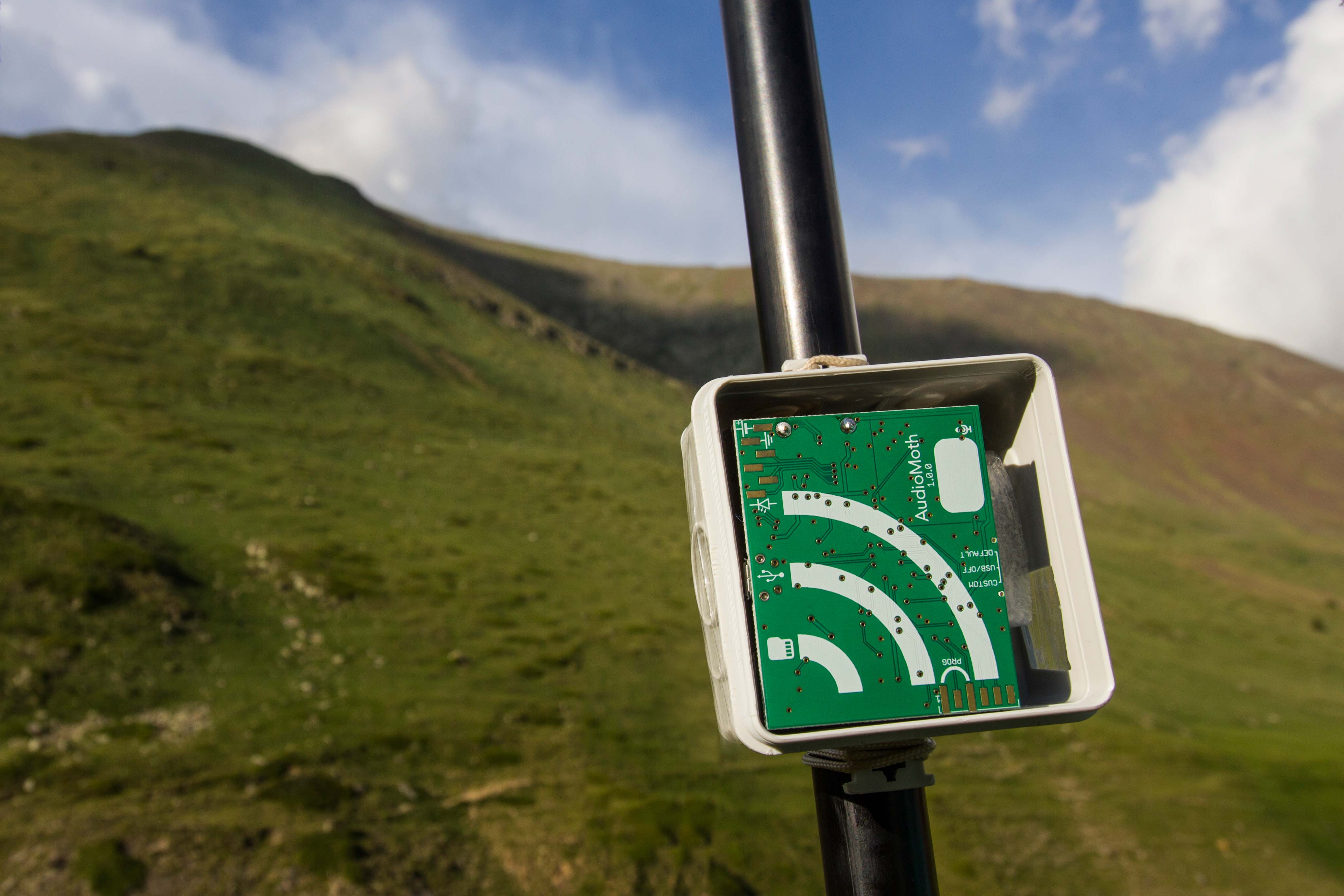
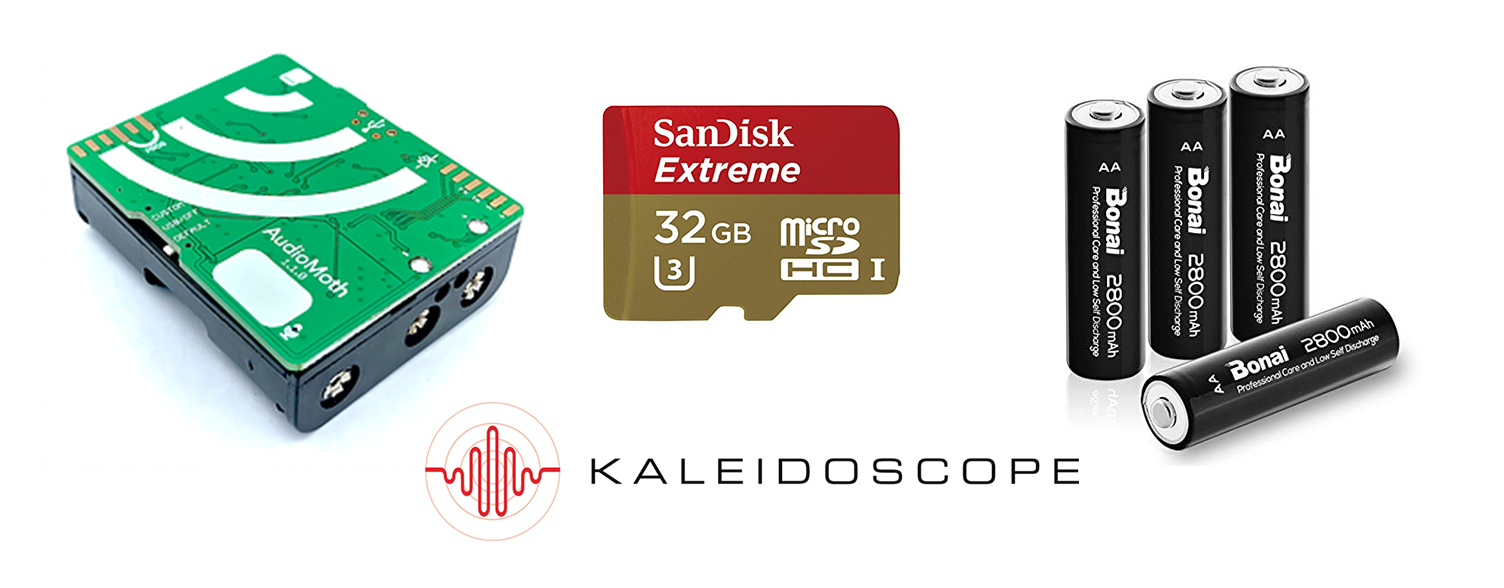
1) An AudioMoth automated ultrasond detector (or alternatively SM4). Regular AudioMoth distributors: LABmaker or Groupgets.
3) 3 AA batteries (can be rechargeable).
4) 1 micro-SD 32Gb card (ej. SanDisk Extreme UHS-I U3)
5) Free ultrasound analysis software - Kaleidoscope (Wildlife Acoustics, you need to register and download the latest version!)
Instructions
1. Creation of your locality
Click HERE to design and add your monitoring locality.
2. AudioMoth configuration and placing it on the field
2. AudioMoth configuration and placing it on the field
AudioMoth configuration and solar calculator.
(If you already have a Wildlife Acoustics detector, contact us to adapt this protocol to your devices)
3. Upload recording to the server and species identification
3. Upload recording to the server and species identification
Upload recordings to the server, data processing and sending your results
Kaleidoscope configuration (download this file LINK).
Species echolocation identification key
5. Support channel
 If you have any doubt about the protocol or species identification, do not hesitate to ask us in the forum
5. Support channel
If you have any doubt about the protocol or species identification, do not hesitate to ask us in the forum
5. Support channel
If you have any doubt about the protocol or species identification, do not hesitate to ask us in the forum
5. Support channel
If you have any doubt about the protocol or species identification, do not hesitate to ask us in the forum